Filters
Carat Weight
Occasion
Stone Material
Stone Color
Style
Price
28 Items | :
Recommend
Sort By
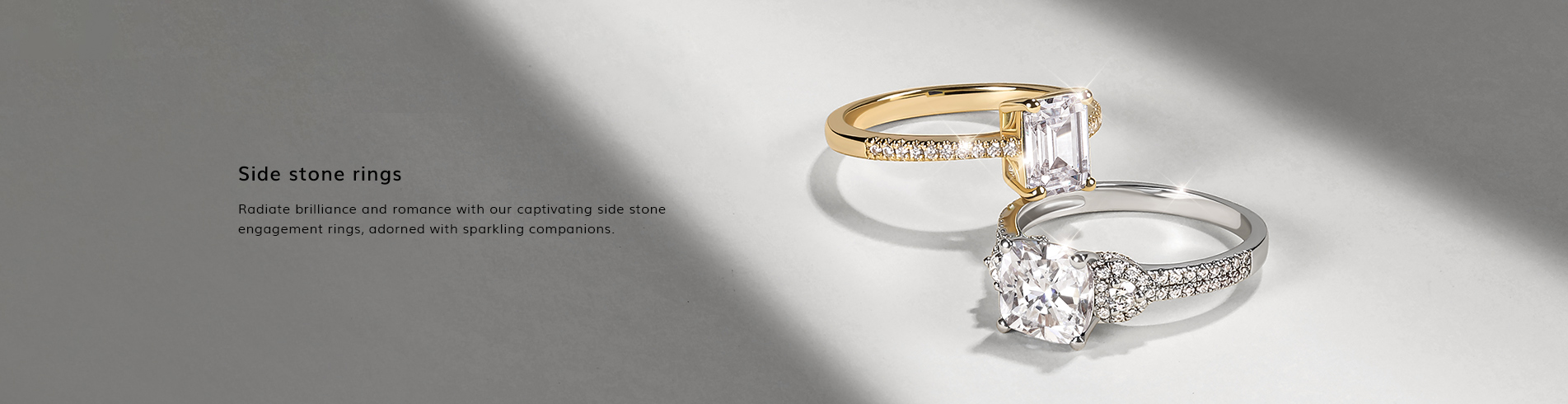
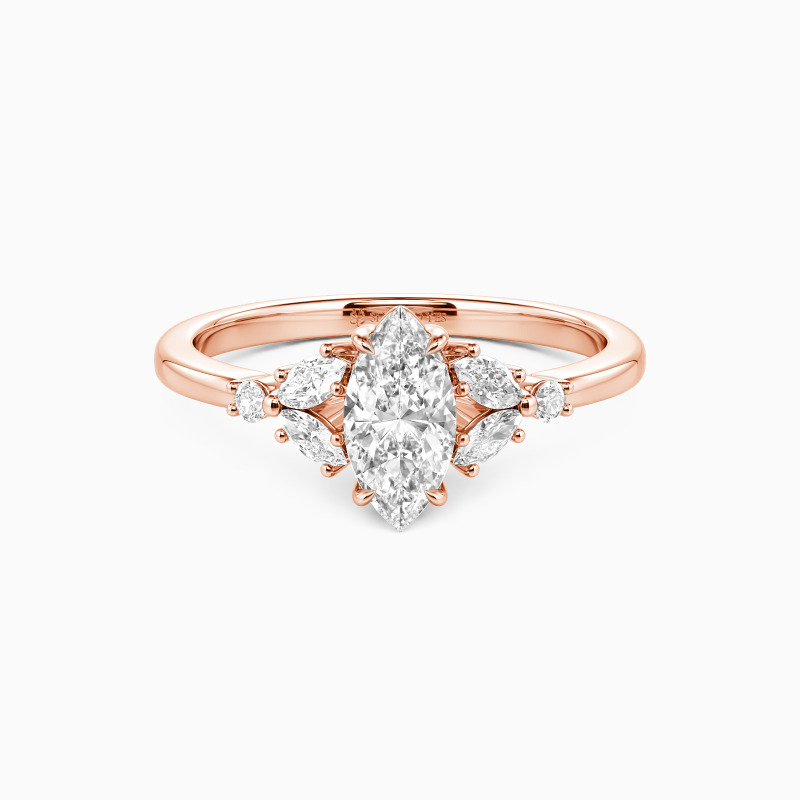
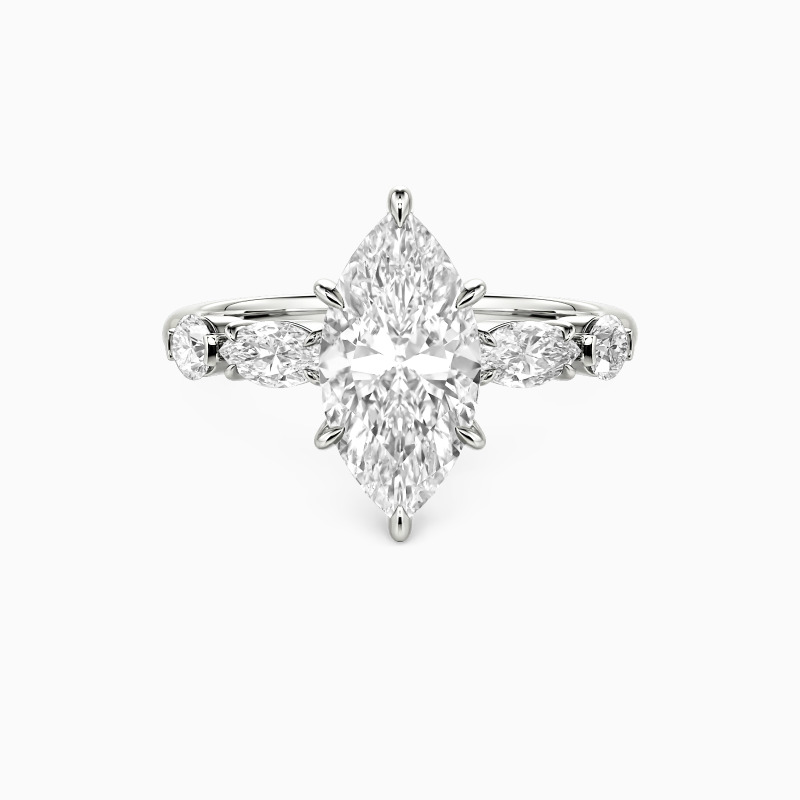
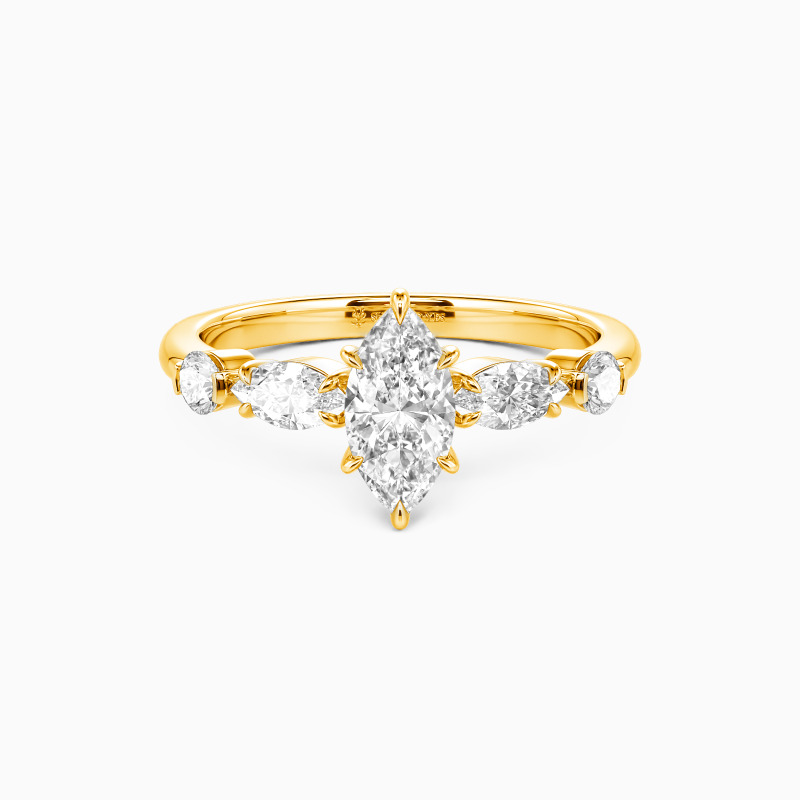
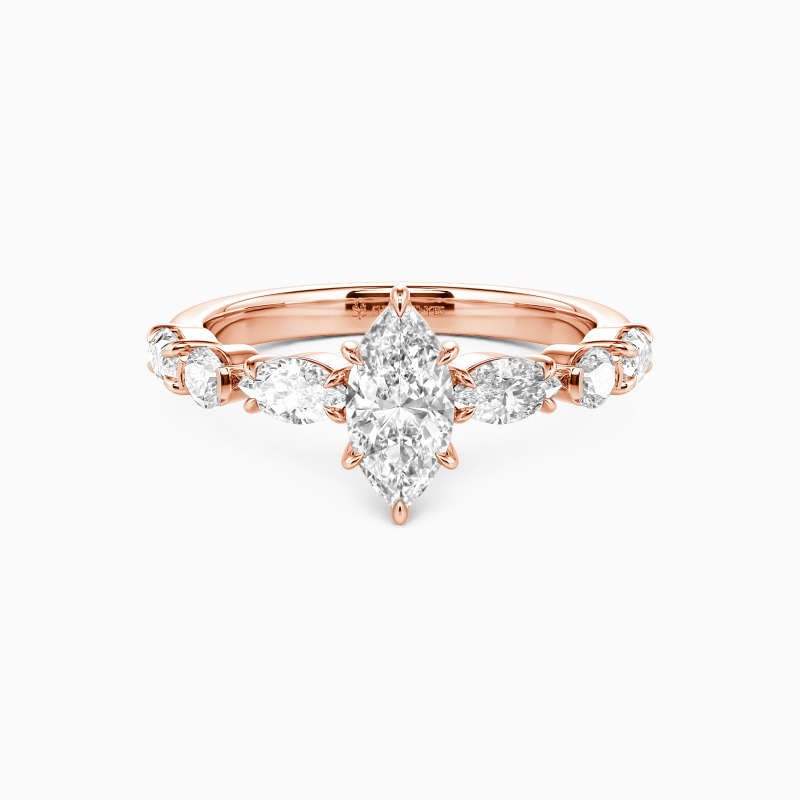
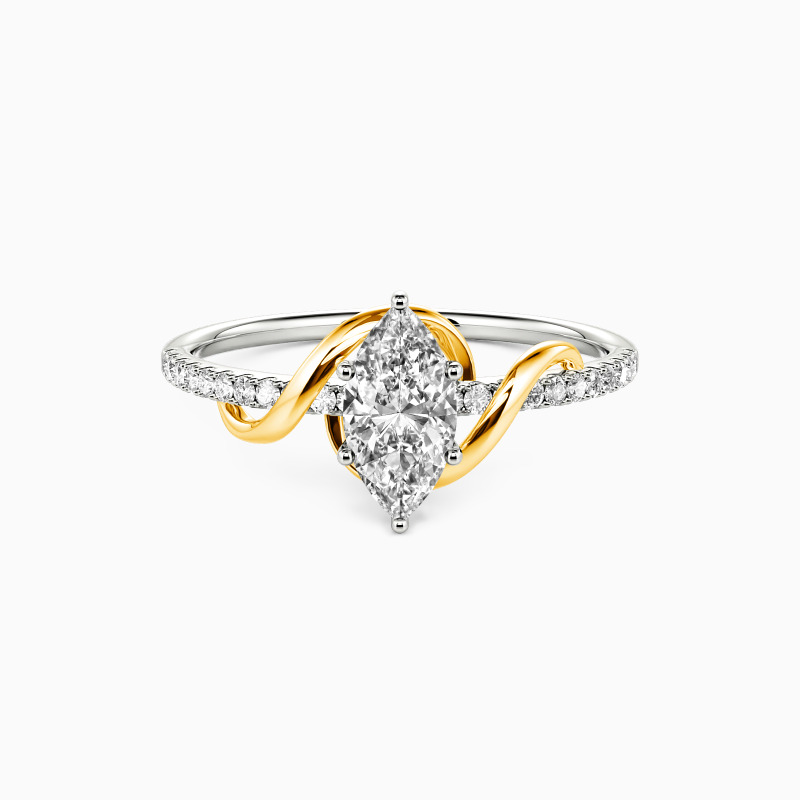
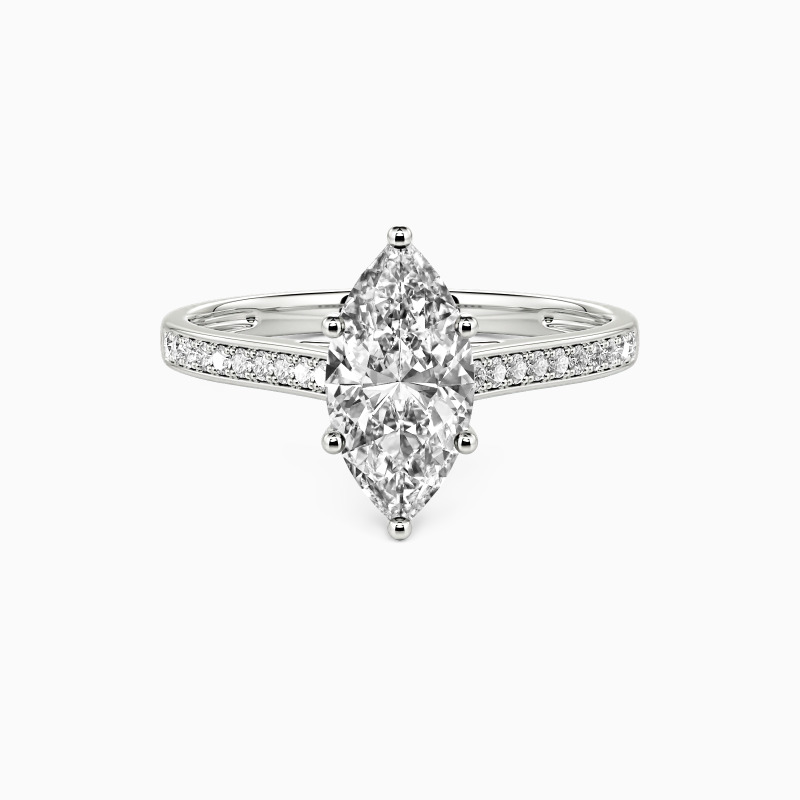
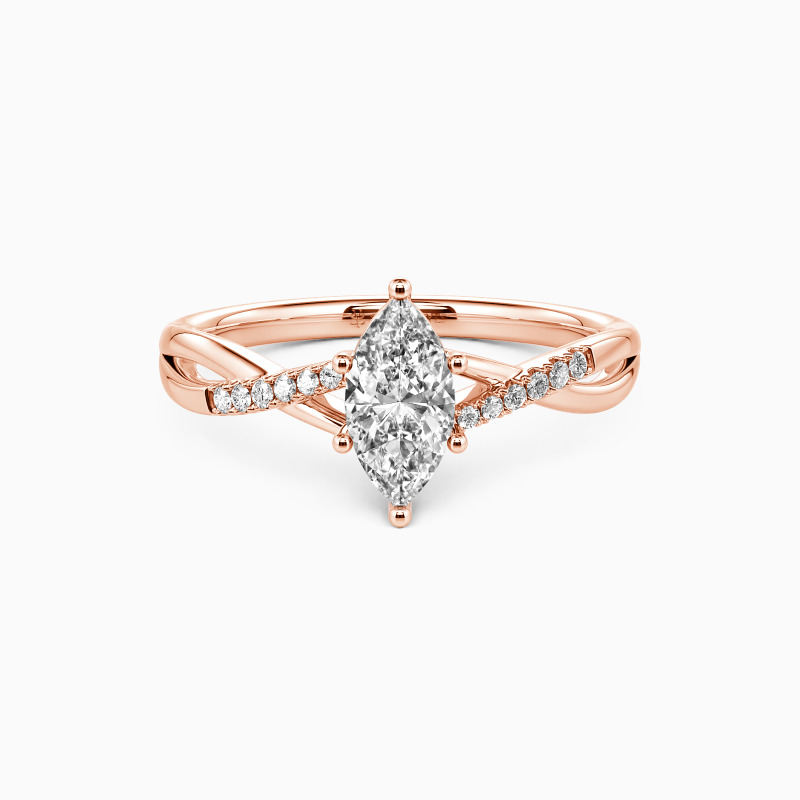
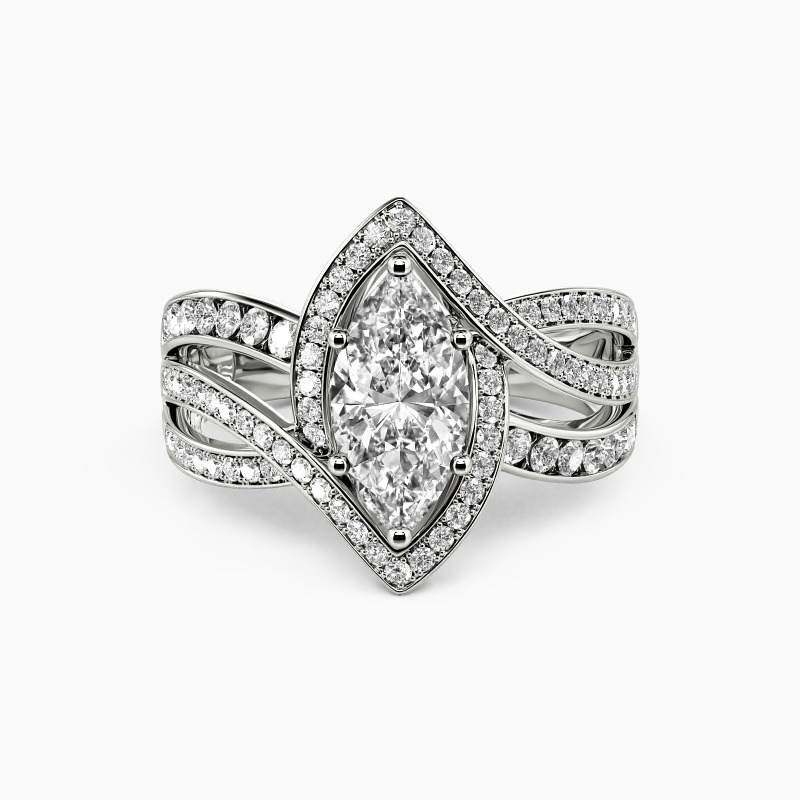
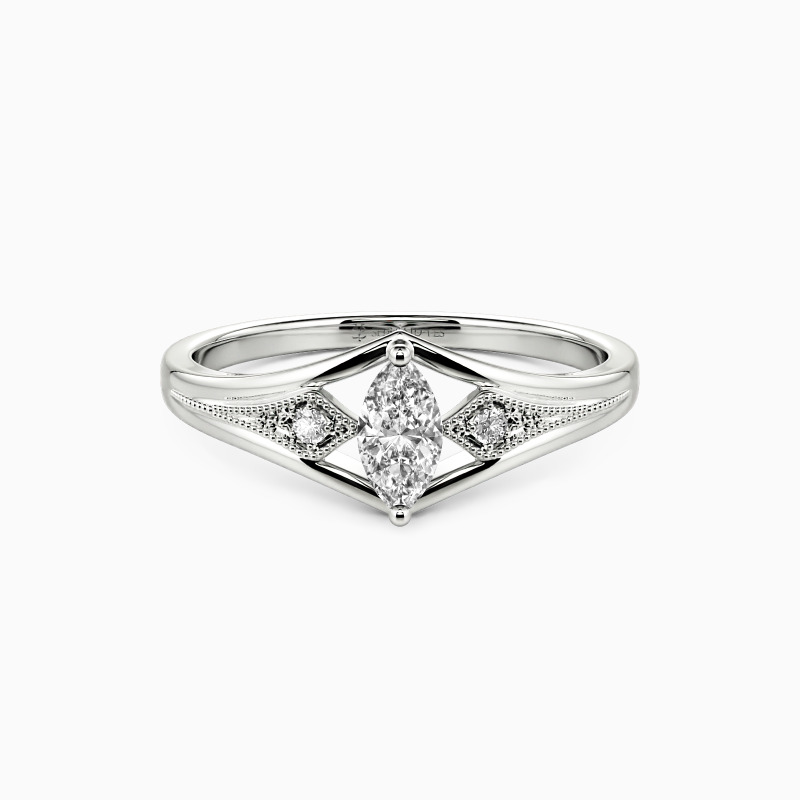
Side stone rings are generally more expensive than solitaire rings because they include additional diamonds and require more detailed craftsmanship. The total cost depends on the number, size, and quality of the side stones as well as the center stone. However, side stones can enhance the overall appearance without increasing the center stone size.
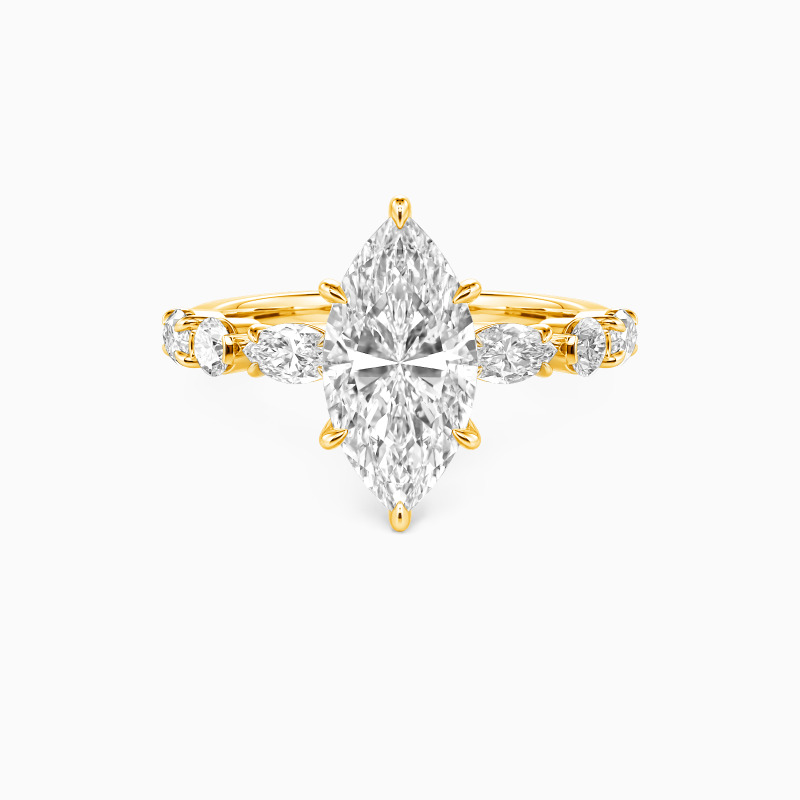
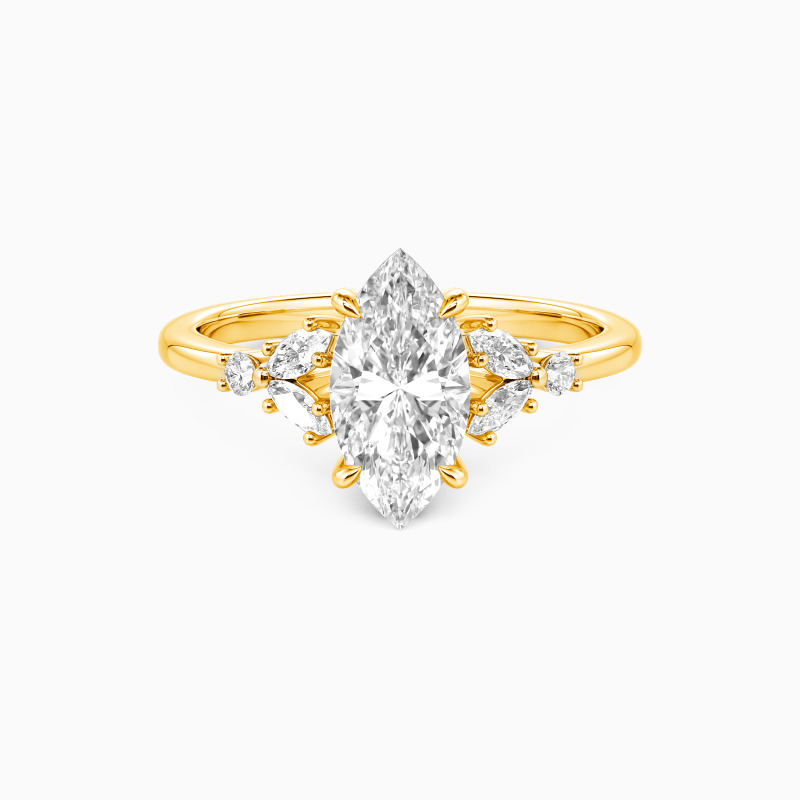
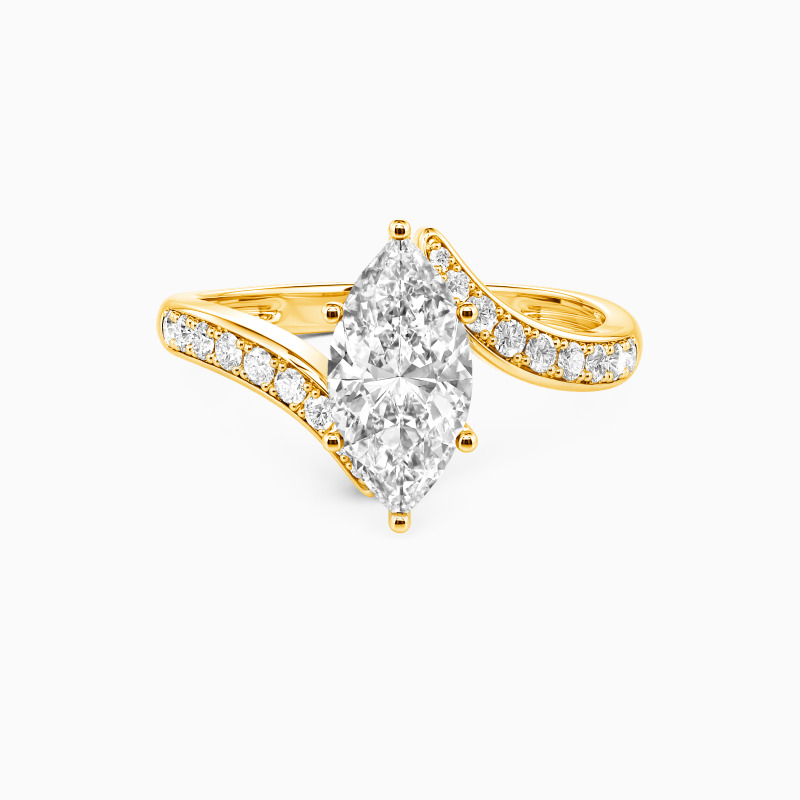
In most side stone engagement rings, the center stone is typically set with prongs for maximum visibility. The smaller side stones are carefully secured using prong, channel, bezel, or pavé settings to ensure stability and durability while complementing the center stone.
Popular side stone shapes include round, baguette, princess, and trillion cuts. Round stones add brilliance, baguettes create a sleek linear look, princess cuts offer a modern square shape, and trillion stones provide a bold triangular accent. The choice depends on the center stone and overall ring design.
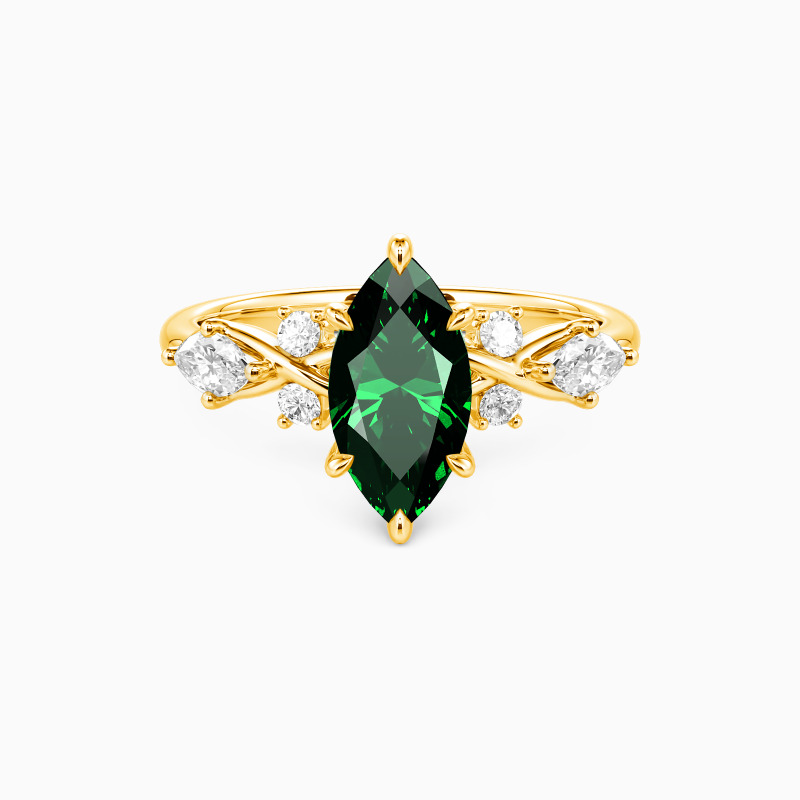
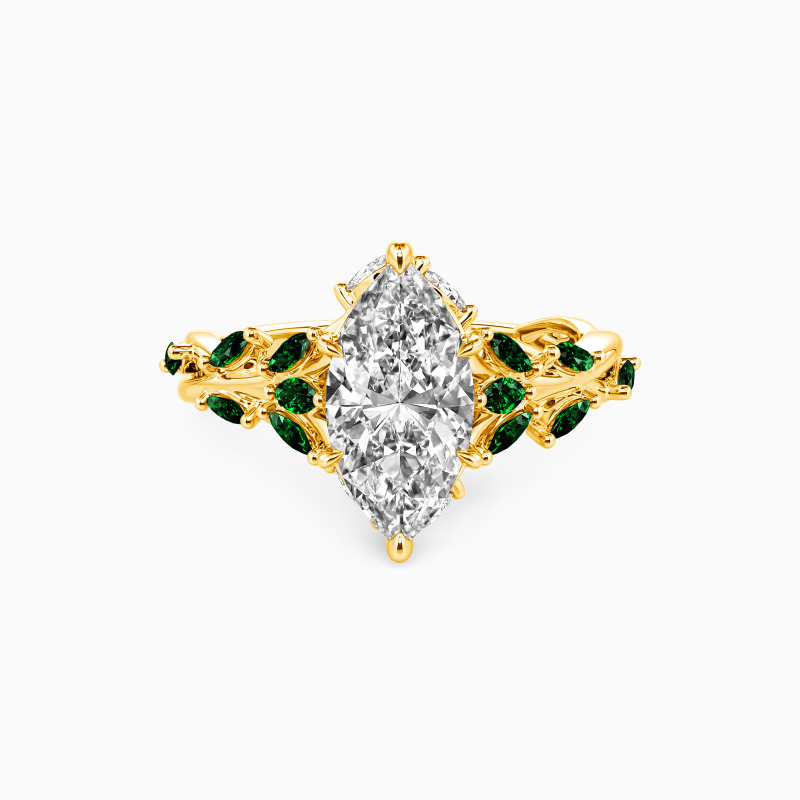
Absolutely. Lab-grown diamonds offer the same brilliance and durability as natural diamonds at a lower cost. Colored gemstones such as sapphires, emeralds, rubies, or your birthstone add contrast and personalization, allowing for unique and customized ring designs.
To better protect your ring, take off it during activities that may cause damage such as exercising, cleaning with harsh chemicals, or cooking. Clean it regularly with mild soap, warm water, and a soft brush to remove dirt and oil. Have it professionally inspected at least once a year to ensure side stones and prongs are secure and the ring maintains its overall sparkle.
Side stone engagement rings work best with durable metals such as platinum, white gold, and yellow gold, which provide a secure setting for both the center and side stones. Bands can be classic and simple to highlight the gems or feature subtle detailing to complement the overall design. The final choice depends on the look you want to achieve.